
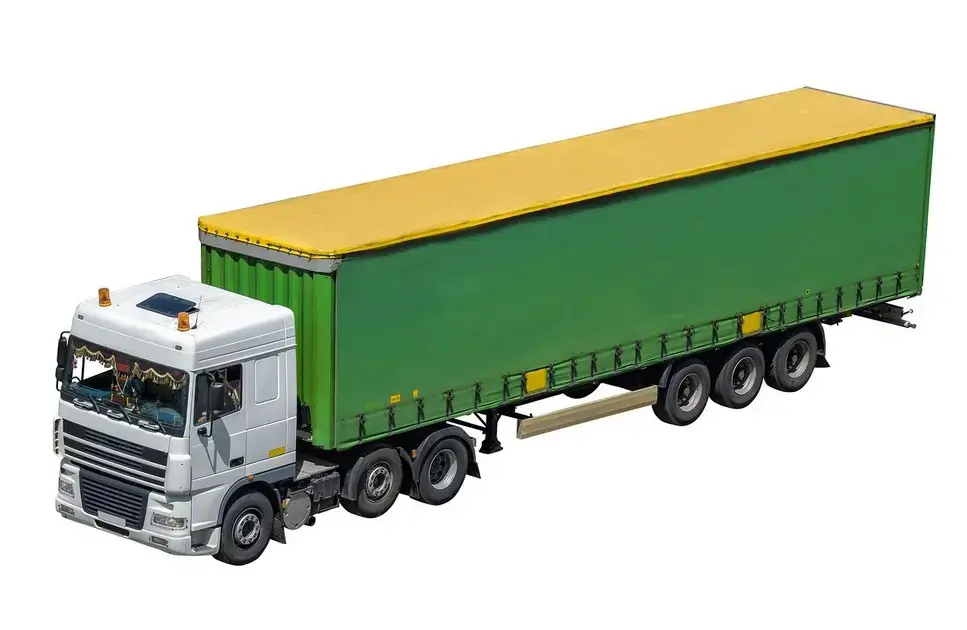
The logistics industry is a complex supply chain network of manufacturers, third-party providers, and automated warehouses that efficiently move goods from production to final delivery by managing strict cost drivers, strategic contracts, smart inventory systems, and precise performance metrics to ensure timely customer satisfaction and mitigate operational risks.
logistics industry sounds huge, right? Picture your online order moving from port to shelf—who makes that happen, and what can go sideways? Let’s unpack the players, costs and tools that keep goods moving.
How logistics and warehousing operate: players, flows and value chains
The supply chain is a massive web that moves goods from a factory directly to your front door. It relies on a team of key players working closely together. You have makers who build the products, carriers who drive them, and warehouses that keep them safe. Without a smooth flow between these groups, store shelves would stay empty and online orders would never arrive.
The Key Players in the Process
Each person or group in logistics has a very specific job to do. Freight forwarders act like travel agents for cargo. They book the best trucks, ships, or planes to move items across the globe. Then, third-party logistics (3PL) providers step in. They often handle both the shipping and the storage for brands that do not own their own trucks or large buildings. This helps companies focus on selling rather than moving boxes.
Understanding the Daily Flows
In a busy warehouse, the daily flow of goods never stops. It all starts at the receiving dock. Workers quickly unload boxes and check them for damage. Next comes the putaway step, where items get a specific spot on a tall shelf. Later, when a buyer orders an item online, the picking process begins. Workers grab the exact item, pack it safely, and load it onto an outbound delivery truck.
Building a Strong Value Chain
A smart value chain does more than just move boxes from point A to point B. It adds real worth to the product along the way. Fast shipping makes buyers happy and builds trust. Safe, clean storage keeps items in perfect shape. By linking these simple steps smoothly, businesses can lower their costs and speed up delivery times. A well-planned chain turns a simple storage space into a powerful tool for business growth.
Cost drivers, contracts and risk management that shape performance
Moving and storing goods costs a lot of money. The biggest expenses are often fuel for delivery trucks and rent for large warehouse spaces. Labor is another major cost, as companies need skilled workers to drive, pack, and manage inventory. Knowing exactly where your money goes helps you find smart ways to save and boost your overall profit.
Understanding Logistics Contracts
Clear agreements are vital for keeping costs in check. A solid contract outlines the exact prices for shipping and storing items. It also sets rules for delivery times and explains how to handle damaged goods. By signing a fair deal, both the business and the logistics provider know exactly what to expect, which prevents costly arguments later.
Managing Hidden Risks
No matter how well you plan, things can still go wrong. Sudden storms, fuel price jumps, or blocked ports can stop your shipments completely. Good risk management means having a solid backup plan ready before trouble hits. This might include finding alternate delivery routes or keeping extra safety stock on hand to avoid running out of popular products.
When you control costs, sign smart contracts, and plan for risks, your whole system runs much better. Tracking these important details ensures that goods arrive on time without blowing your budget. A strong strategy keeps your supply chain steady, even when unexpected problems pop up.
Tools, automation and KPIs to raise service levels
Modern warehouses rely on technology to work faster and smarter. Using the right software helps teams track every single item from the moment it arrives until it leaves. This clear view stops lost boxes and speeds up the entire packing process.
The Power of Automation
Robots and smart conveyor belts are changing how we store goods. Instead of walking long distances, workers now use automated carts that bring shelves right to them. This saves time and keeps workers safe from heavy lifting. Warehouse automation means fewer mistakes and a much smoother daily routine.
Tracking Key Performance Indicators
To know if a supply chain is doing a good job, managers look at specific numbers. These are called Key Performance Indicators (KPIs). They track things like order accuracy and how fast a delivery truck gets loaded. When these numbers look good, it means customers are getting their orders exactly when they expect them.
Combining smart tools with careful tracking leads to amazing service. Handheld scanners instantly update the main computer system, so the inventory count is always perfect. By measuring the right data and using modern machines, companies can easily handle busy holiday rushes and keep buyers happy.
Taking Control of Your Supply Chain
The logistics industry might seem complex, but it all comes down to teamwork and smart planning. When workers, from truck drivers to warehouse teams, connect smoothly, your products move much faster.
Keeping an eye on your costs and having a strong backup plan will protect your business from unexpected problems. Clear contracts and careful risk management keep your daily budget safe.
Finally, using modern tools and tracking your key numbers ensures you deliver great service every single time. By mixing smart technology with a solid plan, you can build a supply chain that easily grows with your business and keeps your customers happy.
FAQ – Frequently Asked Questions about Logistics and Warehousing
What is the role of a 3PL in logistics?
A 3PL, or third-party logistics provider, handles shipping and storage for businesses. This allows companies to focus on sales and growth instead of managing trucks and warehouses.
How does the daily flow work in a modern warehouse?
It typically starts with receiving and unloading goods, followed by putting them away on shelves. When an order is placed, workers pick the item, pack it securely, and load it for outbound delivery.
Why are clear logistics contracts so important?
Contracts set exact prices for shipping and storage, establish delivery timelines, and outline rules for damaged goods. This helps both parties avoid unexpected costs and disputes.
What does risk management mean in the supply chain?
Risk management involves having solid backup plans for unexpected events, like sudden storms or port delays. This might include using alternate delivery routes or keeping extra safety stock on hand.
How does automation improve warehouse operations?
Automation, such as smart conveyor belts and robotic carts, speeds up the packing process, reduces human error, and keeps workers safe from heavy lifting.
What are KPIs and why do they matter in logistics?
Key Performance Indicators (KPIs) are specific numbers used to track performance, such as order accuracy and truck loading speed. Tracking these metrics helps managers ensure customers get their orders exactly when expected.