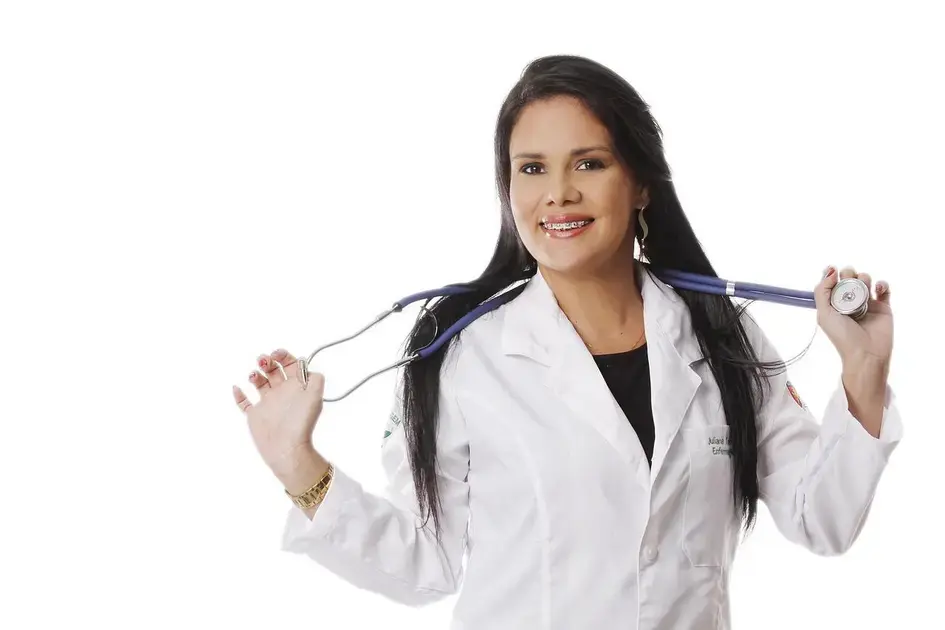
Nursing specialties are focused areas of medical practice, such as critical care or informatics, that require targeted certifications and hands-on experience, allowing registered nurses to develop advanced clinical skills for specific patient populations while unlocking higher salary potential, better job security, and tailored career growth opportunities.
nursing specialties can reshape your path—better pay, clearer purpose, real impact. Wonder which roles match your strengths and schedule?
niches in high demand and salaries you can expect
Choosing a nursing specialty means looking at what hospitals need right now. Some fields are growing much faster than others. This high demand often leads to better pay and more job choices. If you want a stable career, picking the right niche makes a big difference.
Top Paying Specialties to Consider
If salary is a big factor for you, certain roles truly stand out. Certified Registered Nurse Anesthetists (CRNAs) earn some of the highest pay in the field. They usually make over $190,000 a year. Another great option is becoming a Nurse Practitioner (NP). NPs take on many tasks that doctors do and often earn around $120,000 annually. Both of these paths require advanced degrees, but the financial payoff is high.
Fast-Growing Fields in Nursing
Money is not the only thing to think about. Job security also matters. Informatics nursing is booming right now as hospitals upgrade their technology. These tech-savvy nurses make about $90,000 to $100,000 a year. At the same time, the aging population brings a huge need for gerontological nurses. They care for older adults and earn roughly $75,000 to $85,000. Clinics and care homes are always looking for skilled people in these areas.
Even intense roles in the Intensive Care Unit (ICU) or Emergency Room (ER) pay very well because of the high stress and fast pace. ER nurses usually take home around $80,000 a year, plus extra for overtime. When you match your personal skills to these high-demand niches, you set yourself up for real success.
skills, certifications and clinical experience that set you apart
Standing out in the nursing field takes much more than a basic degree. When you apply for specialized roles, hospitals want to see proof that you can handle the unique demands of the job. This means you need to build a strong mix of specific skills, official credentials, and real-world practice.
Core Skills for Specialized Care
Every niche requires its own set of talents, but some abilities will always help you shine. Critical thinking is vital when a patient’s health changes fast. You must know how to act quickly and safely. You also need strong communication skills to share exact updates with doctors and comfort worried families. Being able to stay calm under deep pressure is a must for any advanced care role.
Certifications That Boost Your Resume
Earning extra credentials shows managers you are serious about your path. If you want to work in the ICU, passing the CCRN (Critical Care Registered Nurse) exam makes a huge difference. For cancer care, the OCN (Oncology Certified Nurse) badge tells employers you know the latest treatments. These tests can be tough, but they prove your deep knowledge and often lead to a nice pay raise.
Gaining the Right Clinical Experience
Book smarts are great, but hands-on time is what truly matters on the floor. If you want to switch fields, ask your manager if you can float to different units. Shadowing experienced nurses in the emergency room or labor unit gives you a safe way to learn the ropes. Building your clinical experience step by step helps you move into a new specialty with real confidence.
a day in the life and career paths across key specialties
A day in the life of a nurse depends heavily on the chosen field. A fast-paced hospital shift feels very different from a steady clinic routine. When you pick a specialty, you are also choosing how your daily hours will unfold.
Fast-Paced Action in the ER and ICU
Emergency Room (ER) nurses see constant action from the moment they clock in. They sort new arrivals, treat sudden injuries, and handle heart attacks. The Intensive Care Unit (ICU) is just as intense but highly focused. ICU nurses care for just one or two critically ill patients per shift. They watch vital monitors closely and manage complex life-support machines. Both of these paths are thrilling but demand very high energy.
Steady Care in Clinics and Home Health
Not all nursing roles are about rushing through the halls. Home health nurses travel directly to patients’ houses. They check healing wounds, give daily medicine, and teach families how to provide care. Clinic nurses usually work regular daytime hours. They prep patients for doctor visits and give routine shots. This path often offers a much better work-life balance for those with families.
Moving Up the Career Ladder
Where do these daily routines lead over time? An experienced ER nurse might go back to school to become a Trauma Nurse Practitioner. A home health nurse could easily step into an agency management role. Many floor nurses eventually move into teaching new students or hospital leadership. The best part of these career paths is that you are never stuck in one place.
Taking the Next Step in Your Nursing Career
Finding the right nursing specialty is a great way to grow your career. Whether you want the fast pace of the ER or the steady routine of home health, there is a perfect spot for you.
By gaining hands-on clinical experience and earning special certifications, you can stand out to hospitals. These extra steps often lead to better pay, high job security, and more respect in your field.
You do not have to stay in one place forever. Explore different niches, find what fits your daily life, and take charge of your future in healthcare. The possibilities are truly endless.
FAQ – Frequently Asked Questions About Nursing Specialties
What are the highest-paying nursing specialties?
Certified Registered Nurse Anesthetists (CRNAs) and Nurse Practitioners (NPs) are among the highest-paid, often earning over $120,000 to $190,000 annually.
How do I switch my nursing specialty?
You can switch by gaining clinical experience through floating to different units, shadowing experienced nurses, and earning specialty-specific certifications.
What certifications do I need for ICU or Oncology nursing?
For the ICU, the CCRN (Critical Care Registered Nurse) certification is highly valued. For cancer care, you should look into the OCN (Oncology Certified Nurse) credential.
Which nursing fields are currently growing the fastest?
Informatics nursing and gerontological nursing are experiencing rapid growth due to technological upgrades in hospitals and an aging population.
What is the difference between an ER nurse and a clinic nurse schedule?
ER nurses work fast-paced, high-stress shifts dealing with emergencies, while clinic nurses usually work regular daytime hours with a more predictable, steady routine.
Do I need an advanced degree to specialize in nursing?
Not always. While roles like Nurse Practitioners require a master’s degree, many hospital floor specialties, like ER or ICU, only require an RN license and specific clinical certifications.