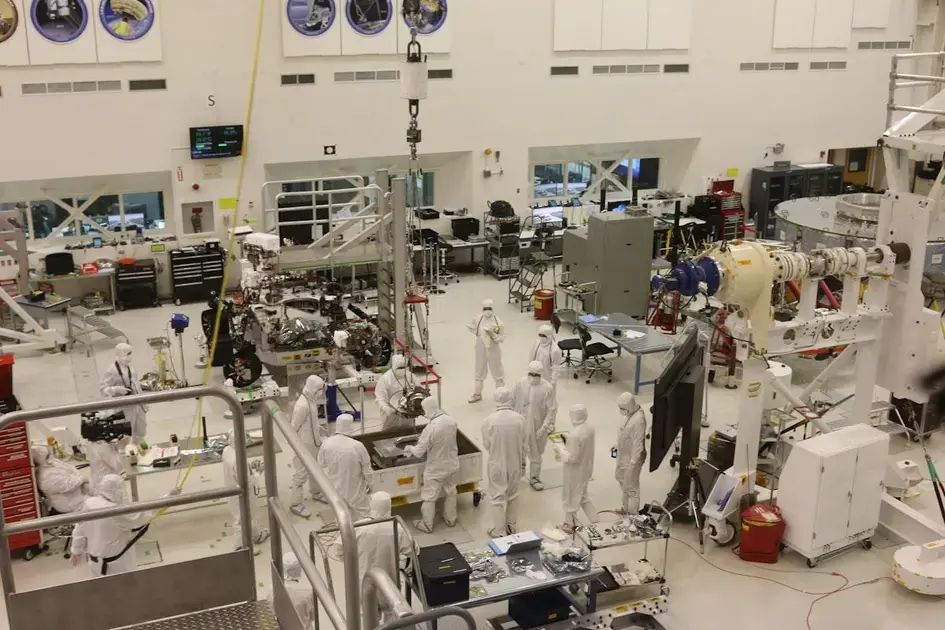
Manufacturing automation fundamentally transforms factory floors by shifting human labor away from dangerous, repetitive physical tasks toward higher-paying, technical roles, requiring workers to reskill in areas like robot maintenance and system programming while safely collaborating with advanced smart machinery to maximize overall production efficiency.
manufacturing automation is shaking up factory floors—exciting and a little unsettling, right? Picture robots welding while technicians tune sensors; where do your skills fit in this shift?
where automation displaces work — and where it adds value
Machines take over tasks that repeat over and over or put workers at risk. For example, robotic arms now handle heavy lifting and simple assembly line steps. This means factories need fewer people for dangerous and tiring jobs.
The Rise of New Human Roles
While robots do the heavy lifting, plants still need human skills to run well. Workers now focus on quality checks, fixing machines, and solving daily problems. People step in when machines fail. They use quick thinking to fix sudden errors that computers cannot understand.
Automation does not just erase jobs; it shifts the work. Instead of moving parts all day, a worker might program the machine that moves those parts. This change creates a safer place to work. It also opens doors to technical jobs that often pay much better.
Balancing Tech and Talent
Factories that mix new technology with human talent see the best results. A smart plant uses data to guide choices, but it needs human brains to keep things moving fast. The real value comes from humans and smart machines working safely as a team.
reskilling paths: certifications, cross-training, and wage outlook
Workers need new skills to keep up with smart machines. Earning tech certificates is a great first step. Many schools and online programs offer quick courses in robotics and basic coding. These classes help workers move from simple physical tasks to running complex control panels.
Learning on the Job
Factories also use cross-training to build stronger teams. This means teaching a worker how to do several different tasks. For example, an assembly line worker might learn how to do basic machine repairs. When workers know more than one job, they become much more valuable to the company.
Higher Pay for New Skills
Learning these new tech skills often leads to better pay. As factory tasks get more technical, companies are willing to pay more for trained staff. A worker who knows how to fix a robot will usually earn a higher wage than someone doing basic manual work.
Taking time to learn protects jobs in the long run. The effort put into new training pays off through stable work and a growing paycheck. Plants want to keep their best people, so they reward those who step up to learn.
factory playbook: redesign roles, adopt cobots safely, measure results
Updating job roles is the first step in a smart factory plan. Managers need to look at what machines do best and what humans do best. Instead of just replacing workers, plants should change the daily focus. A person who used to pack boxes manually might now guide the system that does it.
Working Safely With Cobots
Collaborative robots, or cobots, are built to work right next to people. They use smart sensors to stop moving fast if they bump into a human. Keeping workers safe around cobots means setting clear rules and boundaries on the floor. Teams must learn how to read machine signals and know when to step back.
Tracking the Real Impact
After bringing in new tech, plants must check if it is actually working well. Managers should track things like parts made per hour and how often machines break down. Measuring these results shows if the new robots are worth the money. It also points out where the team might need more help or better tools to succeed.
Embracing the Future of Factory Work
Manufacturing automation is changing the factory floor, but it does not mean the end of human jobs. While machines take over the heavy and boring tasks, they leave room for better, safer roles.
The key to success is learning new skills. Workers who train to fix robots, read data, and run smart systems will see better pay and steady work.
Factories that combine smart machines with a well-trained team will see the best results. By updating job roles and keeping workers safe, plants can grow faster. Now is the perfect time to welcome these changes and build a stronger, smarter workforce.
FAQ – Frequently Asked Questions About Manufacturing Automation
Will automation completely replace human factory workers?
No. While robots take over repetitive and dangerous tasks, factories still need humans for quality checks, machine maintenance, and complex problem-solving.
What are the best ways for factory workers to learn new tech skills?
Workers can start by earning technical certificates, taking basic coding classes, and participating in cross-training programs offered directly on the factory floor.
Does learning to work with smart machines lead to higher pay?
Yes. As factory roles become more technical, companies are usually willing to pay higher wages to workers who can program, maintain, and troubleshoot robots.
What is a collaborative robot, or cobot?
A cobot is a smart robot designed to work safely alongside humans. They use special sensors to stop moving if they bump into a person, preventing workplace injuries.
How can factory managers measure the success of new automation?
Managers should track key data points like parts produced per hour, machine downtime, and overall safety to ensure the new technology is delivering a good return on investment.
Why is cross-training important in modern manufacturing?
Cross-training teaches workers how to handle multiple tasks, such as basic machine repair and system monitoring. This makes teams more flexible and increases a worker’s overall value to the company.